The diesel situation is dire. What policymakers seem to be missing is that it’s not just the market’s capacity to provide for today that is under stress. It’s also the market’s capacity to build inventories in the traditional inventory-building season.
I am on the run a lot until Saturday (in Poland), but I thought I would share a few insights from the market.
As one informed products expert tells me (currently unhindered by any conflicts other than being, err, part of the Blind Spot household):
The current low inventory situation is being caused by Russian diesel exports being reduced and by high natgas prices encouraging substitution towards diesel. This is all being compounded by low refinery rates from the Covid ear leading to refineries closing. All this means we are running on fumes. Market prices have done everything they can to keep the global system wet (market backwardation and huge refinery margins are max incentivised to make diesel). But it’s not enough. Without Russian barrels, we are going to struggle to build inventory at all this summer and next winter will be a disaster.
No EU buying strike can change this reality.
As I noted in Thursday’s Blind Spot wrap, the Poles seem especially oblivious to the long term consequences of all this. They are consumed with passion over the Ukraine situation and are not thinking logically at all as a result. I keep trying to explain to them that running your own economy to the ground and causing system-wide paralysis by the winter is not going to help anyone win any wars in the long run.
Separately, I will have the second part of my neon/helium story soon.
For now, I will share these stills that I have received from market sources depicting the scale of the explosion that occurred at Russia’s Amur LNG facility in January. Helium from this facility was supposed to be coming online about now easing shortages. I doubt very much it will be coming to Western markets any time soon. Even if this damage can be fixed, these facilities are in Russia.
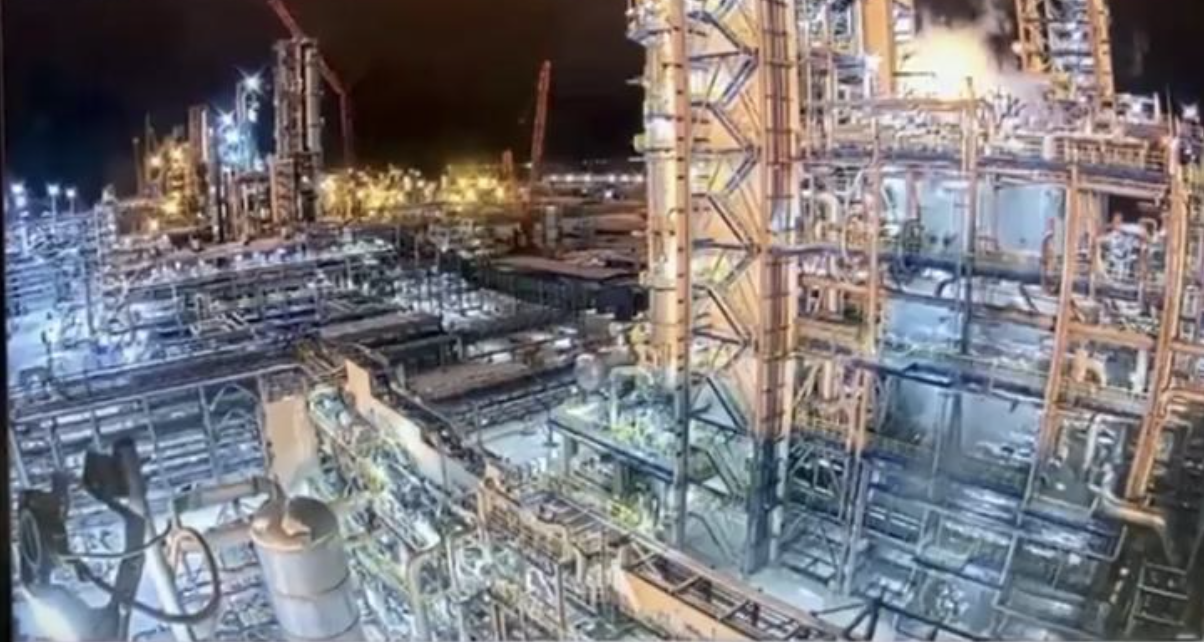
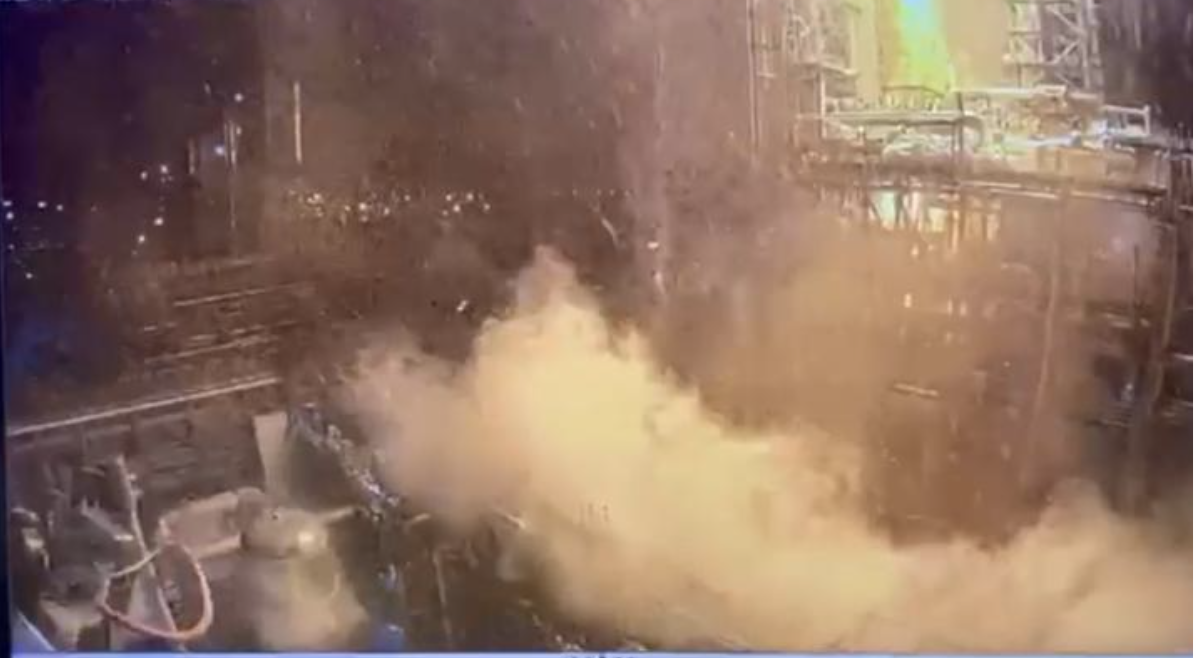
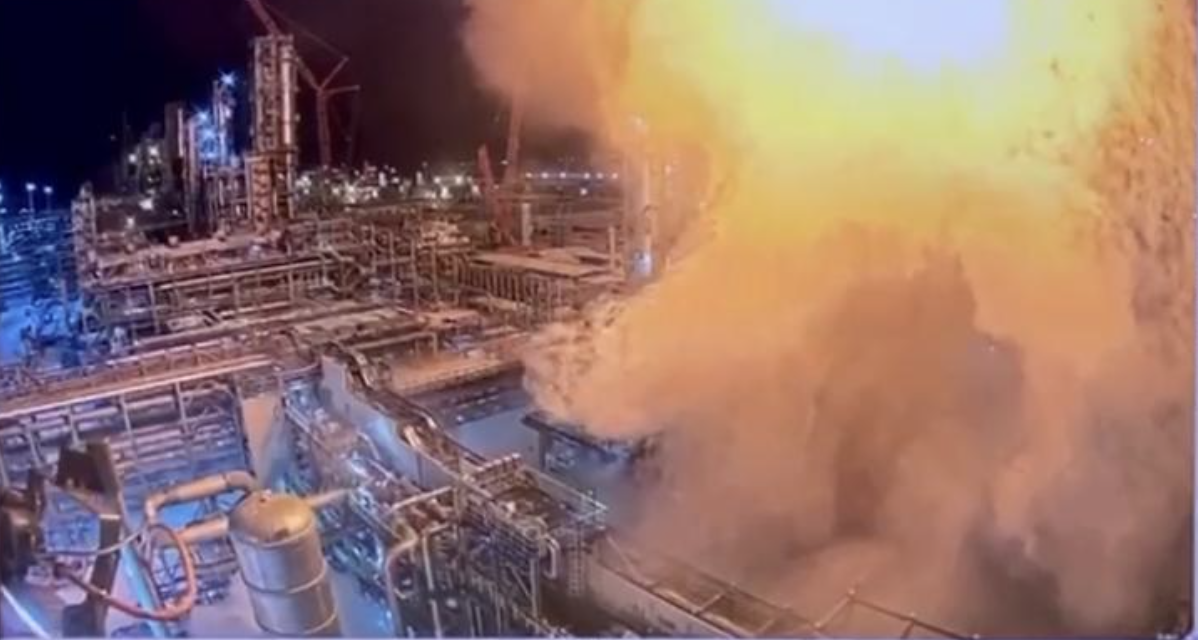
The helium industry is talking the squeeze down, but they have every incentive to keep a lid on the story because any failure to deliver on contracts will break their grip on the market by creating a secondary market supplies headed to less strategic industries.
Relatedly, I mentioned in my Spotlight series that a source told me they had seen satellite images of the damage incurred at Qatar’s LNG facilities around this time and that it was pretty substantial. What I can share with TBS readers exclusively is that I have seen these images first hand now. Yes, they could be deepfakes I guess, but the sourcing pathway suggests otherwise.
Qatargas has still not formerly acknowledged this incident.
Here, meanwhile, is the before and after of the damage at the Mariupol’s steelworks where the bulk of the world’s neon was still produced up until the war broke out:
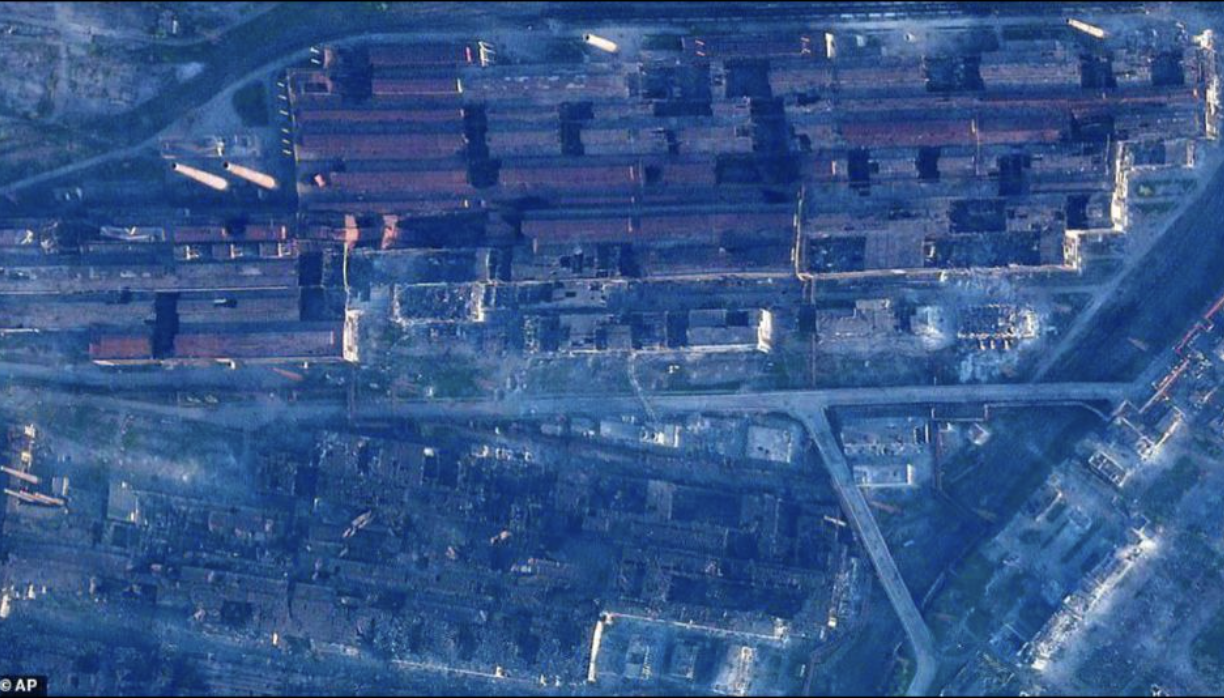
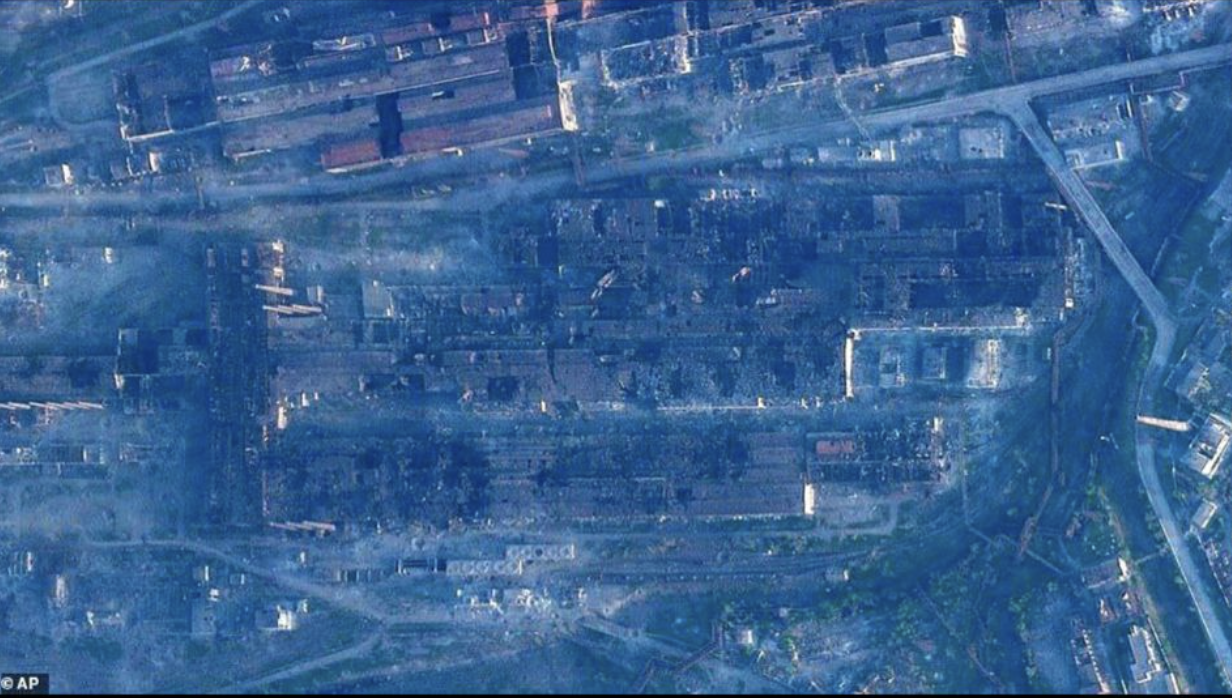
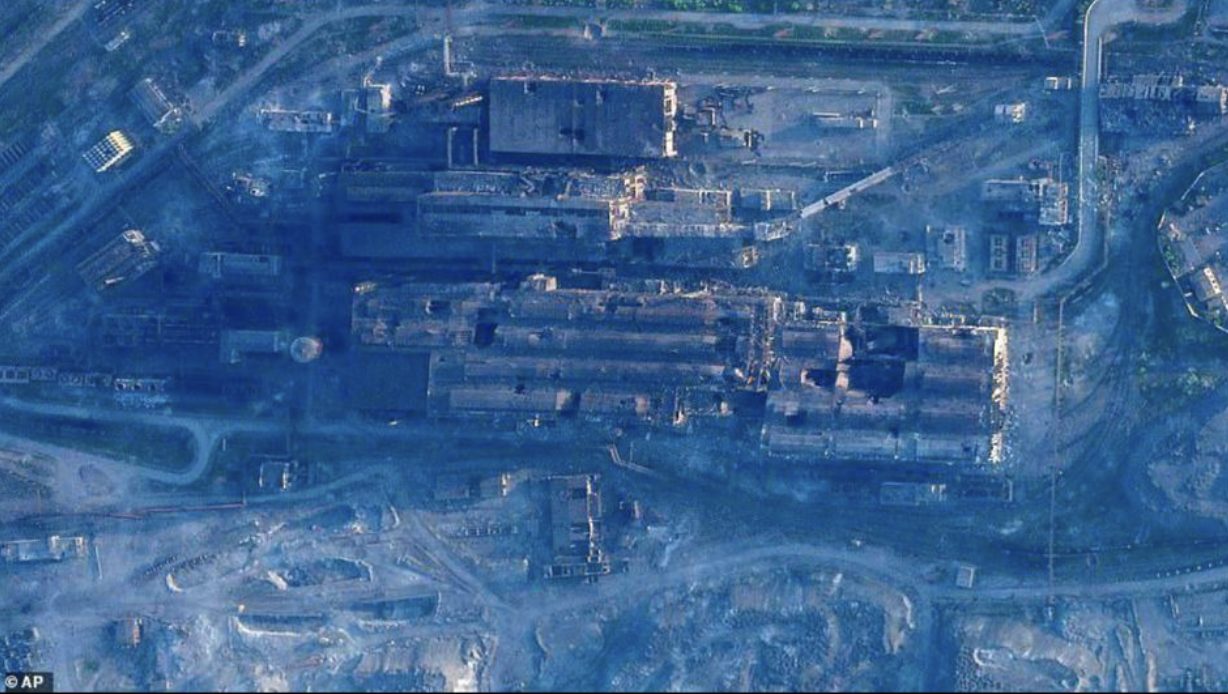
As I reported in my Spotlight on noble gases, these commodities are critical inputs for the semiconductor manufacturing process. With production from two of the main Ukrainian producers, Ingas (linked to Mariupol) and Cryoin in Odessa, now indefinitely suspended, security of future supply to Western markets is a real issue.
The main problem is that the market remains overly dependent on a handful of tier-one specialists – companies such as Linde, Air Liquide and Air Products – which prefer to engage in highly confidential long-term contracts. The lack of transparency has impeded the development of a spot market, where uncontracted sums can be sold at current market prices, and discouraged any semblance of natural price discovery or long-term breakeven rates.
Whatever the path to a spot market, it’s becoming increasingly clear these gases are too important to be under the thumb of only a small number of vested interests.