By Carlo Martuscelli · Jun 12, 2023,
MEPs in the European Parliament’s special committee tasked with learning lessons from the COVID-19 pandemic (COVI) approved the committee’s draft report in a vote Monday evening.
There were 23 votes in favor of the text, 13 against, and one abstention. MEPs from the European People’s Party, Socialist and Democrats, and Renew Europe groups backed the report. Lawmakers in the far-right European Conservatives and Reformists and Identity and Democracy groups largely opposed it — as did the Left and the Greens–European Free Alliance groups.
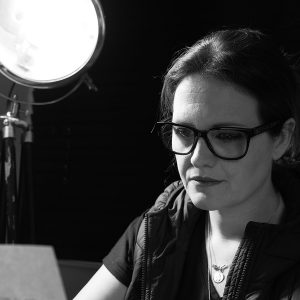
The document, drafted by Spanish MEP Dolors Montserrat from the EPP, is the result of a year’s worth of meetings with politicians and experts. Many of them were tasked with managing the global response to the coronavirus from the moment it began to spread in late 2019. The document is divided into four “pillars,” which focus on health, democracy and rights, societal and economic impact, and the global dimension.
Intellectual property rights for pharmaceutical companies and transparency for the European Union’s large vaccine procurement contracts were the two political hot topics in the run-up to the report. In both cases, moderate wording won out in the approved version.
The Greens broke away from the compromise brokered by centrist political groups over a disagreement on language used to describe waiving IP rights during the pandemic, which they objected to as too industry-friendly.
On the vaccine contracts, the agreed language refers to a “partly justified” lack of transparency and calls for the European Parliament to be allowed to scrutinize contracts, but falls short of asking for the contracts to be shared with the public.
The non-binding report will now undergo a vote in a full session of the European Parliament in July.
RELATEDLY, EARLIER LAST WEEK:
By Carlo Martuscelli · Jun 8, 2023
It’s the story that just won’t go away.
The European Commission’s refusal to engage openly about text messages that may have been exchanged between its president and the Pfizer CEO as part of EU vaccine contract negotiations came under fire from transparency activists Thursday, who said that the secrecy is “slowly chipping away at public trust.”
Rachel Hanna, deputy director of NGO Access Info Europe, said the way the Commission had handled a request by Alexander Fanta, a journalist for German news site Netzpolitik, to access text messages allegedly exchanged between Ursula von der Leyen and Albert Bourla, goes against the EU’s own regulations, which aims to give citizens the widest possible access to documents.
The refusal to share the text messages, said Hanna, “denies the public its fundamental right.”
The Commission has never confirmed the existence of the messages, which were first disclosed in a New York Times interview with Ursula von der Leyen. It has already been reprimanded by the European Ombudsman for failing to search for the messages, and in September the European Court of Auditors criticized the lack of transparency around the preliminary negotiations for the EU’s third and largest vaccine contract with Pfizer/BioNTech.
Hanna’s remarks came during an event in Paris organized by French MEP Michèle Rivasi of the Greens–European Free Alliance group on the topic of the text messages, where another transparency activist also expressed concern at how the Commission is handling public disclosures more broadly in the wake of the pandemic.
“Following the health crisis, we can see that institutions are closing up,” said Christophe Van Gheluwe, founder of Cumuleo, a website that publishes publicly accessible information on politicians and civil servants in Belgium. “Citizens … demand more access to information. On the other hand, we have authorities which are not providing this information, and I think there is a huge risk to our democracy.”
At the same event, lobbyist and transparency campaigner Frédéric Baldan announced that he has filed a complaint with the Court of Justice of the European Union about von der Leyen’s role in negotiating the massive COVID-19 vaccine deal with Pfizer.
Baldan said the Commission president had “clearly violated the provisions” of the Commission’s binding code of conduct, and he is asking the court to suspend von der Leyen and her fellow commissioners while an investigation takes place. He has already lodged a criminal complaint to a Belgian court, accusing the Commission president of corruption and destruction of documents.